


The UN’s Climate Ruling Is Just a Global Shakedown
- Rai Rojas
- Jul 24
- 2 min read

Updated: Aug 15
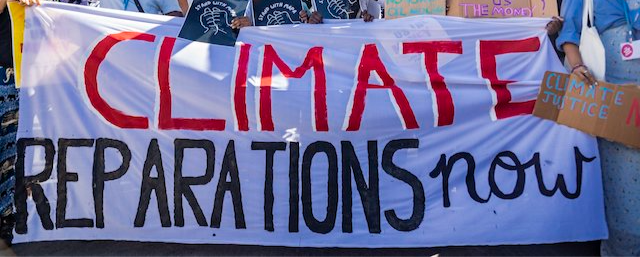
The UN’s top court just handed down a ruling that’s less about justice and more about money. According to the International Court of Justice (ICJ), wealthy nations must pay reparations to countries allegedly harmed by climate change; failing to do so, they could face legal liability for greenhouse gas emissions, including those from companies under their jurisdiction.
Let’s be clear: this is not about climate. It’s about cash.
The ruling, hailed by climate activists and tiny island nations like Vanuatu, invents a legal pathway to redistribute wealth under the guise of “climate justice.” The ICJ claims that human-caused emissions violate international law and that failing to meet vague “emission reduction targets” opens nations up to compensation demands.
But international law doesn’t support this. The 2015 Paris Agreement isn’t a binding treaty, and there's no legal basis for reparations tied to it. “Restitution, compensation, and satisfaction” may sound noble, but it’s code for blank checks written by Western taxpayers to feed a corrupt international climate apparatus.
UN Secretary-General António Guterres praised the opinion as a step forward. Of course, he did. The UN thrives on this kind of manufactured crisis. And while the media parrot the narrative that island nations face extinction, the science tells a more nuanced story. Studies, including one in Nature Communications, show that many Pacific islands are growing, not sinking.
Vanuatu’s climate minister, calling the ruling “better than expected,” says it all. This is a windfall for climate elites, not a lifeline for the vulnerable. Meanwhile, scholars and legal experts across disciplines have warned for years against using international law as a tool for ideological coercion.
President Trump’s administration responded with clarity: America puts its citizens first and won’t bankroll the UN’s climate guilt trip. That’s the right approach. Thank God.
This ruling won’t stop climate change. But it will fund another round of UN conferences, bloated NGOs, and global power grabs. Don't fall for it.
The ICJ’s ruling will do little but embolden climate activists and global bureaucrats. However, it should also awaken responsible nations to a more urgent reality: the UN is no longer an impartial mediator. It has become an ideological weapon, wielded not for justice, but for control.
Comments